
Therapy, Teacup & Puppy Care: The PomChiPals Guide
Small companions. Big personalities. Care and support for a lifetime.
At PomChiPals.com, we believe raising a puppy means preparing it for a happy life with its new family. Our Pomeranians, Chihuahuas and signature PomChis are raised in home environments with individual attention, gentle handling and early exposure to everyday family life.
Explore our guide to emotional companionship, petite puppies, grooming, puppy care, adoption and responsible ownership.


Therapy & Emotional Support Companions

The comfort of a devoted companion
A loving dog can bring affection, routine and companionship into everyday life. Pomeranians, Chihuahuas and PomChis can form close bonds with their families, making them wonderful companions for people who value a devoted little friend.
What each breed brings:
- Pomeranians: Cheerful, expressive and affectionate, with lively personalities that brighten everyday life.
- Chihuahuas: Alert, intelligent and loyal, often forming particularly close bonds with their favourite people.
- PomChis: A charming Pomeranian-Chihuahua cross, often affectionate, playful and adaptable, with individual traits inherited from both parents.
Who may enjoy a small companion?
- Seniors seeking daily affection and companionship
- Adults who appreciate a close, devoted companion
- Families looking for a small household dog
- People who value the comfort and routine of pet ownership
- Apartment residents able to provide appropriate exercise, training and attention
The right match depends on the puppy's individual temperament and the family's lifestyle. Small size alone does not make a dog suitable for every home or therapeutic role.
Therapy dogs and emotional support animals
An emotional support animal (ESA) provides comfort through companionship. In the USA, an ESA is not the same as a trained service dog, and there is no official government ESA registration that automatically grants legal rights.
Where applicable, housing accommodation requests under the Fair Housing Act may involve documentation from a qualified healthcare professional. Airlines are not generally required to treat ESAs as service animals.
Therapy dogs are trained and evaluated to provide comfort in settings such as hospitals, schools and care facilities. They are different from service dogs and do not automatically have public-access rights.
We can help families understand these distinctions and choose a puppy with their intended lifestyle in mind. We do not issue ESA letters, certify therapy dogs or guarantee therapeutic suitability.
Fluffy, Petite & Teacup Puppies

Understanding teacup puppies
"Teacup" is an informal marketing term for exceptionally small dogs, not an official AKC-recognised size classification for Pomeranians or Chihuahuas.
Adult size depends on genetics, parent size and individual development. Extremely small puppies can face additional health and injury risks and may require more attentive care.
At PomChiPals, we encourage families to prioritise:
- Healthy development and sound structure
- Parent health and available health records
- Appropriate growth and body condition
- Temperament and socialisation
- Realistic expectations about adult size
- The ability to provide attentive care
We do not recommend breeding solely for exceptionally small size or guarantee a particular adult weight.
Responsible breeding and puppy development
Our approach focuses on health, temperament and individual development. Puppies receive veterinary attention appropriate to their age, gradual weaning, enrichment and gentle handling.
Our breeding practices prioritise the mother's welfare, appropriate recovery and responsible veterinary guidance. Any specific litter-frequency policy should be confirmed against our documented breeding practices.
Grooming fluffy coats
Fluffy doesn't have to mean fussy. Regular grooming helps keep coats healthy and comfortable.
- Brush approximately 2–3 times weekly, adjusting to coat type.
- Check behind ears, chest, armpits, legs and tail for tangles.
- Use gentle, puppy-safe shampoo when bathing is needed.
- Keep the areas around eyes and paws clean and tidy.
- Check ears and trim nails regularly.
- Introduce grooming gradually as a positive experience.
Pomeranians and fluffy PomChis generally need more coat attention than short-haired Chihuahuas. Every family should receive guidance suited to its puppy.
Social-media favourites
With teddy-bear faces, fox-like ears, expressive eyes and fluffy coats, our little companions are naturally photogenic. We enjoy seeing genuine family updates and social-media moments shared by PomChiPals owners while keeping health, welfare and responsible ownership at the centre of our work.
Safe apartment living
Small dogs can adapt well to apartments when their needs are met. Owners should:
- Prevent unsupervised jumping from sofas and beds.
- Establish consistent outdoor or puppy-pad potty routines.
- Provide enrichment toys and feeding puzzles.
- Secure stairs, balconies, gaps and other hazards.
- Introduce household noises and travel gradually.
- Provide companionship, exercise and mental stimulation.
Useful accessories
For petite puppies, consider:
- Soft, supportive beds
- Properly fitted harnesses
- Warm clothing when appropriate for cold weather
- Shallow, stable feeding bowls
- Ventilated, padded travel carriers
- Toys and chews suitable for the puppy's age and size
Always supervise play and avoid accessories or toys that may create choking, entanglement or injury risks.
The PomChiPals Puppy Care Centre

The first 48 hours at home
Moving into a new home is a major milestone. Your puppy may initially seem shy, curious, restless or clingy.
To help it settle:
- Prepare a quiet, comfortable sleeping area.
- Offer fresh water and follow the familiar feeding schedule.
- Introduce one room at a time.
- Keep noise, visitors and excitement low initially.
- Show your puppy its designated potty area.
- Use a familiar comfort blanket or toy, where provided.
- Allow plenty of rest and gentle interaction.
A familiar scent from the puppy's previous home may offer reassurance during the transition.
Early socialisation
Our home-raising approach introduces puppies to gentle handling, household sounds, people and everyday activity.
After placement, families should continue positive, age-appropriate socialisation, following veterinary advice about safe exposure before vaccinations are complete.
Feeding Pomeranians, Chihuahuas and PomChis
Every puppy needs balanced nutrition suited to its age, size and development.
- Pomeranians: A complete small-breed puppy diet supports healthy growth and body condition.
- Chihuahuas: Small puppies may need carefully planned, regular meals and close attention to feeding routines.
- PomChis: Their diet should be based on individual size, age and nutritional needs.
We provide feeding guidance and, where included, a sample of familiar food to help reduce digestive upset during the transition. Introduce new food gradually.
Dental care, play and mental stimulation
Small breeds can be prone to dental problems, making early care important.
- Introduce gentle toothbrushing with dog-specific toothpaste.
- Ask your veterinarian about suitable dental products.
- Provide safe, appropriately sized toys and chews.
- Use puzzle feeders and simple enrichment games.
- Balance activity with plenty of rest.
Potty training small breeds
Consistency and patience are essential.
- Establish regular potty times, especially after waking, eating and playing.
- Use the same designated area.
- Reward successful toileting immediately.
- Supervise indoors and respond calmly to accidents.
- Use puppy pads where appropriate.
- Introduce crate training positively, never as punishment.
- Very small puppies may need more frequent potty opportunities.
Safe toys and enrichment
Suitable options include:
- Soft plush toys
- Puppy-safe teething rings
- Appropriately sized rubber toys
- Interactive feeders
- Gentle training and scent games
Always supervise chewing and remove damaged toys.
What to do after collection or delivery
Whether your puppy arrives by airport collection or arranged home delivery:
- Offer fresh water.
- Show the potty area.
- Allow exploration of a small, safe space.
- Keep handling and introductions gentle.
- Follow the familiar feeding schedule.
- Provide a comfortable sleeping area.
A calm beginning helps build confidence and trust.
What your puppy comes with
Depending on the individual puppy and agreed package, items may include:
- Veterinary health records
- Age-appropriate vaccination and deworming records
- Written health warranty and applicable terms
- Sample of familiar puppy food
- New puppy checklist
- Detailed care manual
- Scented comfort blanket
- Familiar toys, pads and bowls, where included
- Feeding, grooming and training guidance
- Ongoing breeder support
Any microchip, insurance or additional item will be confirmed before placement.
Adoption, Delivery & Community
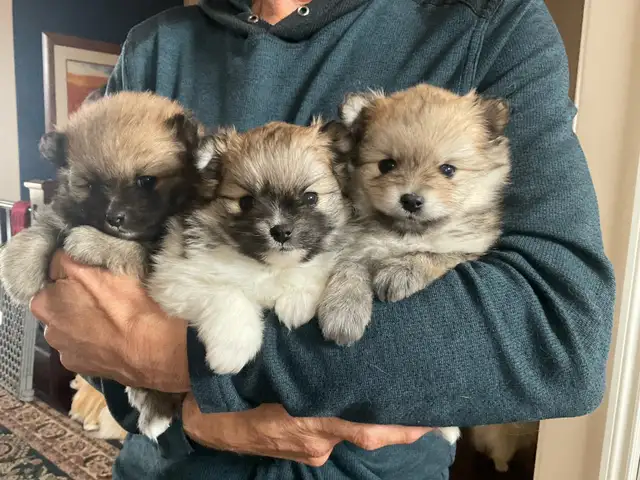
How to apply
Finding the right puppy begins with understanding the home it will be joining.
Our enquiry process may consider:
- Household and living arrangements
- Daily routine and time available
- Previous dog-owning experience
- Children and other pets
- Preferred breed and characteristics
- Expectations around grooming, training and adult size
This helps us guide families towards a suitable match.
Matching puppies to families
We consider each puppy's:
- Size and development
- Temperament and confidence
- Energy level
- Social behaviour
- Grooming and care requirements
Our aim is to match the puppy's individual needs with the family's lifestyle, rather than choosing solely by appearance.
Responsible home screening
We do not place puppies through pet shops, brokers or resellers. We seek homes prepared for the time, financial responsibility and long-term commitment of dog ownership.
We reserve the right to decline a placement when we believe it is not in the puppy's best interests, subject to applicable law and our written policies.
Health records and guarantees
Every puppy should leave with appropriate veterinary documentation and clear care information.
We provide available health records, explain vaccination and deworming history, and encourage families to arrange a veterinary examination after arrival.
Applicable health warranty coverage, duration, exclusions and conditions are provided in writing before placement.
Delivery and collection
Through our network of home-based breeders across seven US states, we help families access Pomeranians, Chihuahuas and PomChis beyond their immediate area.
Depending on location and availability, arrangements may include:
- Home delivery within the USA
- Airport collection in suitable locations
- Regional transport arrangements
- Travel preparation and handover guidance
- Journey updates where provided by the transport partner
Canadian placements are subject to applicable import, veterinary and carrier requirements. All arrangements depend on route availability, puppy welfare and carrier acceptance.
Support beyond the journey
Our commitment does not end when a puppy goes home. We aim to provide ongoing guidance on feeding, grooming, training, settling in and general care.
If a family can no longer keep its puppy, we ask them to contact us so we can discuss a responsible return or rehoming arrangement under our written policy.
Testimonials and family gallery
From first snuggles to first birthdays, we love seeing our puppies become cherished family members.
Explore genuine customer experiences, photographs and updates shared by PomChiPals families across North America.
Expert Guides
Practical advice for small-breed owners and prospective puppy families.
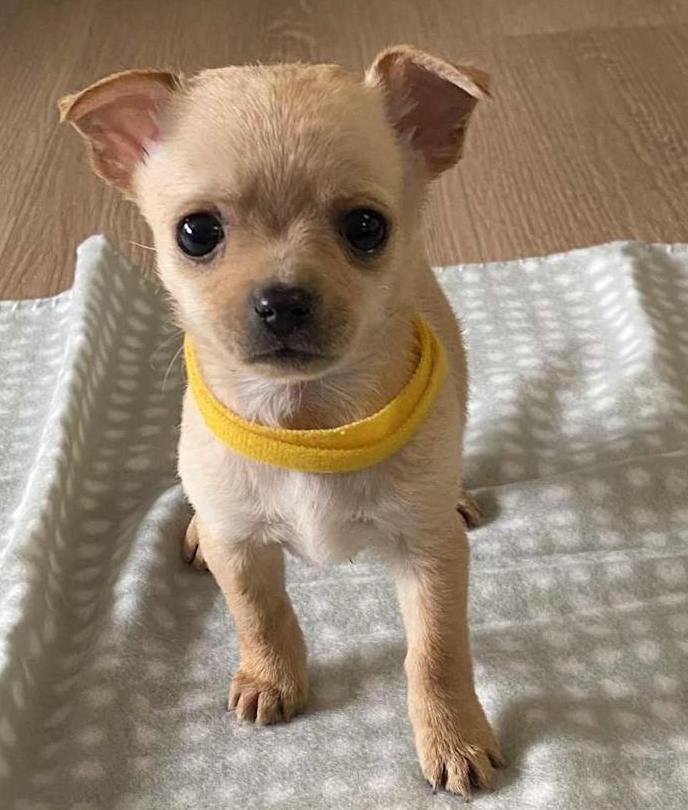
How to choose a healthy small Pomeranian
The term "teacup Pomeranian" is often used loosely in advertising. It is not an official AKC size category.
When choosing a Pomeranian, look beyond labels and ask for:
- Parentage and available pedigree documentation
- Veterinary health records
- Information about the puppy's development
- Details of the parents' health and temperament
- Realistic expectations about adult size
A compact appearance, thick double coat and fox-like expression are breed characteristics, not proof of health or a special teacup classification.
Apple-head vs. deer-head Chihuahua
Apple-head Chihuahuas have a rounded, domed skull and shorter muzzle, consistent with the AKC breed standard.
Deer-head Chihuahuas generally have a narrower head, longer muzzle and different facial proportions.
Both can make affectionate companions. Head shape alone does not determine health, activity level, temperament or suitability for children and families.
Choose based on the individual puppy's health, behaviour and compatibility with your household.
PomChi puppy behaviour: what's normal?
PomChis may display characteristics inherited from either parent breed.
Common behaviours can include:
- Alert barking: Responding to unfamiliar sounds or activity.
- Close attachment: Following favourite family members around.
- Cuddle-seeking: Enjoying warmth and closeness.
- Trainability: Responding well to positive reinforcement.
- Independent play: Enjoying toys and quiet activities.
Early socialisation, gentle training and predictable routines help build confidence. Fear, excessive barking or separation distress should be addressed patiently.
Five tips for raising a PomChi in an apartment
- Potty routine: Use consistent outdoor access or puppy pads.
- Noise introduction: Gradually familiarise your puppy with traffic, elevators and household sounds.
- Enrichment: Use puzzle feeders and scent games.
- Home safety: Secure stairs, balconies and small gaps.
- Carrier training: Introduce a suitable travel carrier gradually and positively.
Small homes can work well when exercise, companionship and enrichment needs are met.
Are fluffy puppies high maintenance?
Fluffy coats need routine care, but grooming can become an enjoyable bonding activity.
- Brush 2–3 times weekly or more as the coat requires.
- Check behind ears, chest, legs and tail for tangles.
- Bathe when needed with suitable puppy shampoo.
- Trim nails regularly.
- Clean eyes and ears as appropriate.
- Introduce grooming gradually from an early age.
Puppies should become comfortable with gentle handling and grooming through positive experiences.
Why responsible placement matters
Our goal is to place puppies in prepared, suitable homes and support families throughout their ownership journey.
Our approach includes:
- Screened homes: Assessing readiness and commitment.
- Thoughtful matching: Considering temperament and household needs.
- Responsible rehoming: Asking families to contact us if they can no longer keep their puppy.
- Ongoing guidance: Helping with training, nutrition and everyday care.
- Health documentation: Providing available veterinary records and written warranty terms.
We cannot promise that no puppy will ever need rehoming, but we believe responsible support can make a meaningful difference.
Small dogs and emotional wellbeing
Companion animals can provide affection, routine and a sense of connection. Some people find that caring for and spending time with a dog helps them feel more supported.
Research has explored associations between human-animal interaction and measures such as stress, heart rate, cortisol and oxytocin. However, results vary, and owning a puppy is not a treatment or substitute for professional mental-health care.
A suitable companion should be chosen for its individual temperament and the family's ability to provide a stable, caring home.
PomChiPals.com
Little Paws. Forever Pals.
Three special breeds. A network of caring homes. One shared passion for bringing loving families and wonderful little companions together.
